
- Specialist Pancreatic Surgery Care in Kanpur
Pancreatic Surgery in Kanpur
Advanced Surgical Treatment for Pancreatic Tumors, Pancreatic Cancer, Pancreatic Cysts & Complex Pancreatic Conditions
The pancreas plays a vital role in digestion and blood sugar regulation, and pancreatic conditions can range from harmless cysts to serious cancers requiring urgent, specialized care. Dr. Puneet Puri offers comprehensive evaluation and advanced surgical treatment for pancreatic tumors, pancreatic cancer, cysts, and other complex pancreatic diseases, with a focus on safety, precision, and long-term outcomes.
500+
Complex GI & HPB Surgeries
20+
Years of Surgical Experience
Advanced
Laparoscopic & Minimally Invasive Techniques
What is Pancreatic Surgery?
Specialized surgical solutions for pancreatic tumors, pancreatic cancer, cysts, neuroendocrine growths, and chronic pancreatitis, with a focus on preserving healthy pancreatic function wherever possible.
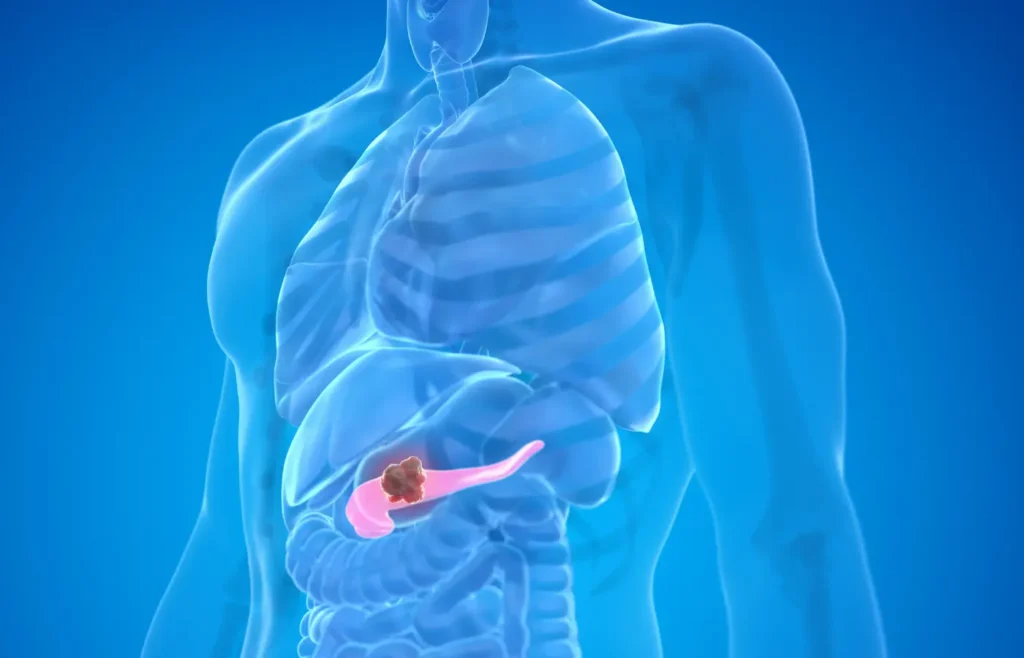
The pancreas is a gland located deep in the upper abdomen that performs two essential functions: producing digestive enzymes that help break down food, and producing hormones such as insulin that regulate blood sugar. Because of its location and role, problems affecting the pancreas can have wide-reaching effects on digestion and metabolism.
Pancreatic conditions can develop due to genetic factors, chronic inflammation, gallstone disease, long-term alcohol use, or for reasons that are not always clear. These conditions include benign cysts, neuroendocrine tumors, chronic pancreatitis, and pancreatic cancer, one of the more challenging cancers to detect and treat.
Not every pancreatic finding requires an operation. Surgery is generally considered when a tumor is cancerous or suspicious, a cyst is large or symptomatic, or chronic pancreatitis is causing persistent pain or complications that have not responded to other treatments.
Because the pancreas sits close to major blood vessels and connects with the bile duct and intestine, pancreatic procedures are technically demanding and benefit greatly from specialized surgical experience, careful pre-operative planning, and a coordinated care team.
- Advanced Pancreatic Surgery
Personalized treatment planning using modern imaging, multidisciplinary tumor evaluation, and evidence-based pancreatic care.
- Multidisciplinary Cancer Care
- Precision Surgical Planning
- Minimally Invasive Techniques
- Organ-Function Preservation Care
- Long-Term Follow-Up
Conditions We Treat
Our pancreatic surgery services cover a broad range of benign and cancerous conditions affecting the pancreas. Treatment recommendations depend on the type, size, location, and behavior of the condition, along with the patient’s overall health.
- Pancreatic Tumors
Pancreatic tumors may be benign, precancerous, or malignant. Identifying the exact nature of a tumor through imaging and, when needed, biopsy is essential before deciding on treatment.
Common Symptoms
- Abdominal discomfort or fullness
- Pain radiating to the back
- Nausea or digestive changes
- Often found incidentally on imaging
When to Consult a Specialist
Specialist review is recommended whenever a pancreatic tumor is identified, particularly if it is growing or appears suspicious on scans.
- Pancreatic Cancer
Pancreatic cancer develops when malignant cells form in the tissue of the pancreas. It often produces few early symptoms, which makes timely diagnosis and specialist evaluation particularly important.
Common Symptoms
- Persistent upper abdominal or back pain
- Jaundice (yellowing of skin and eyes)
- Unexplained weight loss
- Loss of appetite
- New-onset diabetes
When to Consult a Specialist
Anyone diagnosed with or suspected to have pancreatic cancer should seek prompt surgical evaluation to determine whether the tumor is operable.
- Pancreatic Cysts
Pancreatic cysts are fluid-filled sacs that form within or on the surface of the pancreas. Many are harmless and monitored over time, while others carry a risk of becoming cancerous.
Common Symptoms
- Often no symptoms
- Abdominal discomfort or bloating
- Nausea
- Discovered incidentally on scans
When to Consult a Specialist
Consult a pancreatic surgeon if a cyst is large, growing, causing symptoms, or shows features on imaging that need further assessment.
- Distal Pancreatectomy
A surgical procedure to remove the body and tail of the pancreas, commonly performed for tumors, cysts, or chronic pancreatic disease.
Common Symptoms
- Abdominal pain or discomfort
- Nausea or digestive changes
- Weight loss
- Pancreatic lesion on imaging
When to Consult a Specialist
Consult a specialist if a condition affecting the body or tail of the pancreas may require surgical removal
- Pancreatic Pseudocyst
A procedure to treat pancreatic pseudocysts that are large, symptomatic, or do not resolve with conservative treatment.
Common Symptoms
- Abdominal pain or fullness
- Nausea or vomiting
- Early fullness after eating
- History of pancreatitis
When to Consult a Specialist
Consult a specialist if a pseudocyst persists, enlarges, or causes ongoing symptoms.
- Whipple Procedure
A complex surgery that removes the head of the pancreas along with parts of the bile duct, duodenum, and sometimes the stomach.
Common Symptoms
- Jaundice
- Upper abdominal or back pain
- Unexplained weight loss
- Digestive problems
When to Consult a Specialist
Consult a specialist when a tumor or other condition is located in the head of the pancreas and may require surgery.
- Pancreatic Necrosectomy
Pancreatic necrosectomy is a surgical procedure to remove dead or infected pancreatic tissue, typically performed as a result of severe or complicated pancreatitis.
Common Symptoms
- Persistent fever or signs of infection
- Severe abdominal pain
- Worsening illness despite medical treatment
- Complications following acute pancreatitis
When to Consult a Specialist
Urgent surgical evaluation is needed when imaging or clinical signs suggest infected or significant pancreatic necrosis that isn’t responding to non-surgical care.
- Pancreatosplenectomy
A surgical procedure to remove the body or tail of the pancreas along with the spleen, usually when a tumor or lesion is located near the spleen or its blood vessels.
Common Symptoms
- Abdominal pain
- Back pain
- Nausea or digestive problems
- Weight loss
When to Consult a Specialist
Consult a specialist if imaging shows a tumor or cyst in the body or tail of the pancreas that may require surgical removal.
How Pancreatic Conditions Are Diagnosed
Accurate diagnosis is the foundation of safe and effective pancreatic care. Because the pancreas is positioned deep within the abdomen, a combination of clinical assessment and detailed imaging is usually needed to understand a condition fully before any treatment decision is made.
Medical History
Physical Examination
Blood Tests
Pancreatic Enzyme Tests
Tumor Marker Tests
Ultrasound
CT Scan
MRI
MRCP
Endoscopic Ultrasound (EUS)
PET Scan (when required)
Biopsy (when needed)
Why accurate diagnosis matters: Pancreatic conditions can look similar on initial scans but require very different treatments. A precise diagnosis, supported by the right combination of blood work, imaging, and sometimes biopsy, allows treatment to be planned safely and helps avoid unnecessary procedures.
When Is Surgery Necessary and When Is Observation Enough?
Not every pancreatic finding needs an operation. The decision between monitoring and surgical treatment is based on the nature of the condition, its behavior over time, and the symptoms it causes.
Observation May Be Appropriate
- Small, benign-appearing cysts
- Stable lesions unchanged over time
- Asymptomatic conditions identified incidentally
Surgery Is Usually Recommended
- Confirmed or suspected pancreatic cancer
- Suspicious tumors on imaging
- Lesions that are growing in size
- Symptomatic cysts
- Obstruction of the bile duct
- Recurrent or complicated pancreatitis
Types of Pancreatic Procedures We Perform
Pancreatic surgical treatment is tailored to the location and nature of the condition. Below are the main types of pancreatic procedures offered, ranging from major resections to minimally invasive options.
Pancreatic Tumors
A broad category covering both benign and malignant growths within the pancreatic tissue, often first identified through imaging done for unrelated symptoms or targeted investigations.
When recommended: Evaluation is advised for tumors found on CT, MRI, or endoscopic ultrasound, especially when accompanied by abdominal pain, jaundice, unexplained weight loss, or digestive changes.
Pancreatic Cancer
A malignant tumor arising from pancreatic tissue, most often from the ductal cells, requiring prompt diagnosis and a coordinated surgical and oncological treatment plan.
When recommended: Surgery is considered once imaging and biopsy confirm a resectable cancerous growth, typically alongside chemotherapy or radiation depending on stage.
Pancreatic Cysts
Fluid-filled sacs forming within or on the pancreas, with a wide range of malignant potential depending on type and features.
When recommended: Monitoring or surgical removal is guided by cyst size, growth rate, and high-risk features seen on detailed imaging such as MRI or endoscopic ultrasound.
Distal Pancreatectomy
Removal of the body and tail of the pancreas, often along with the spleen, depending on tumor location and characteristics.
When recommended: Tumors, cysts, or other lesions located in the body or tail of the pancreas.
Pancreatic Pseudocyst
A fluid collection forming outside the normal pancreatic duct system, typically developing as a complication of pancreatitis.
When recommended: Drainage or surgery is recommended for pseudocysts that are large, persistent, infected, or causing pain or obstruction.
Whipple Procedure (Pancreaticoduodenectomy)
A complex operation removing the head of the pancreas, part of the bile duct, and sometimes part of the stomach, followed by reconstruction of the digestive tract.
When recommended: Tumors in the head of the pancreas or periampullary region, including most pancreatic cancers.
Pancreatic Necrosectomy
Surgical removal of dead or infected pancreatic tissue, a complication that can arise from severe acute pancreatitis.
When recommended: Infected pancreatic necrosis or extensive non-viable tissue that hasn’t responded to less invasive drainage methods.
Pancreatosplenectomy
Combined removal of the distal pancreas and the spleen, performed when the spleen’s blood supply or proximity to the tumor makes preservation unsafe.
When recommended: Tumors in the pancreatic tail involving or closely abutting the splenic vessels, where the spleen cannot be safely preserved.
Types of Pancreatic Procedures We Perform
Early specialist evaluation can make a meaningful difference in pancreatic conditions. Consider a consultation if you have:
- A pancreatic mass or tumor seen on ultrasound, CT, or MRI
- Diagnosed or suspected pancreatic cancer
- A pancreatic cyst that is large, growing, or symptomatic
- Unexplained jaundice or yellowing of the skin and eyes
- Persistent upper abdominal or back pain
- New-onset diabetes without a clear cause
- Recurrent episodes of pancreatitis
- Abnormal pancreatic imaging requiring specialist opinion
- Unexplained weight loss with digestive symptoms
- Been advised to consider surgical treatment for a pancreatic condition

Our Treatment Approach
Understanding your treatment journey can help you feel more informed and confident about your care. From your first consultation to recovery and follow-up, every step is carefully planned.
What to Expect During Recovery
Recovery after pancreatic surgery varies depending on the procedure performed and individual health factors. Here is a realistic overview of what most patients can expect.
ICU Care When Required
Major procedures such as the Whipple procedure may involve a short stay in intensive care for close monitoring immediately after surgery.
Hospital Stay
Hospital stay duration depends on the extent of surgery, generally ranging from several days to around two weeks for major resections.
Pain Management
Pain is actively managed with appropriate medication, and most patients experience steadily decreasing discomfort over the following days.
Walking and Mobility
Early, gentle mobilization is encouraged soon after surgery to support healing and reduce the risk of complications.
Diet Progression
Diet is gradually advanced from liquids to soft food and then a normal diet, guided by how well digestion is recovering.
Return to Activities
Light activities can often resume within a few weeks, while a full return to normal routines may take several weeks to a few months for major surgery.
Follow-Up Visits
Scheduled follow-up appointments monitor healing, review pathology results when relevant, and address any new symptoms or concerns.
Long-Term Recovery
Some patients require ongoing monitoring of digestion and blood sugar, with adjustments to diet or medication made as needed over time.